Simpsonville vs. Louisville’s East End Suburbs
November 6, 2025
November 6, 2025
Trying to decide between Simpsonville and Louisville’s east end suburbs? You are not alone. Both areas offer strong value, but the day-to-day experience can feel very different. In this guide, you will see how housing types, anchors like shopping and golf, commute options, and services compare so you can choose with confidence. Let’s dive in.
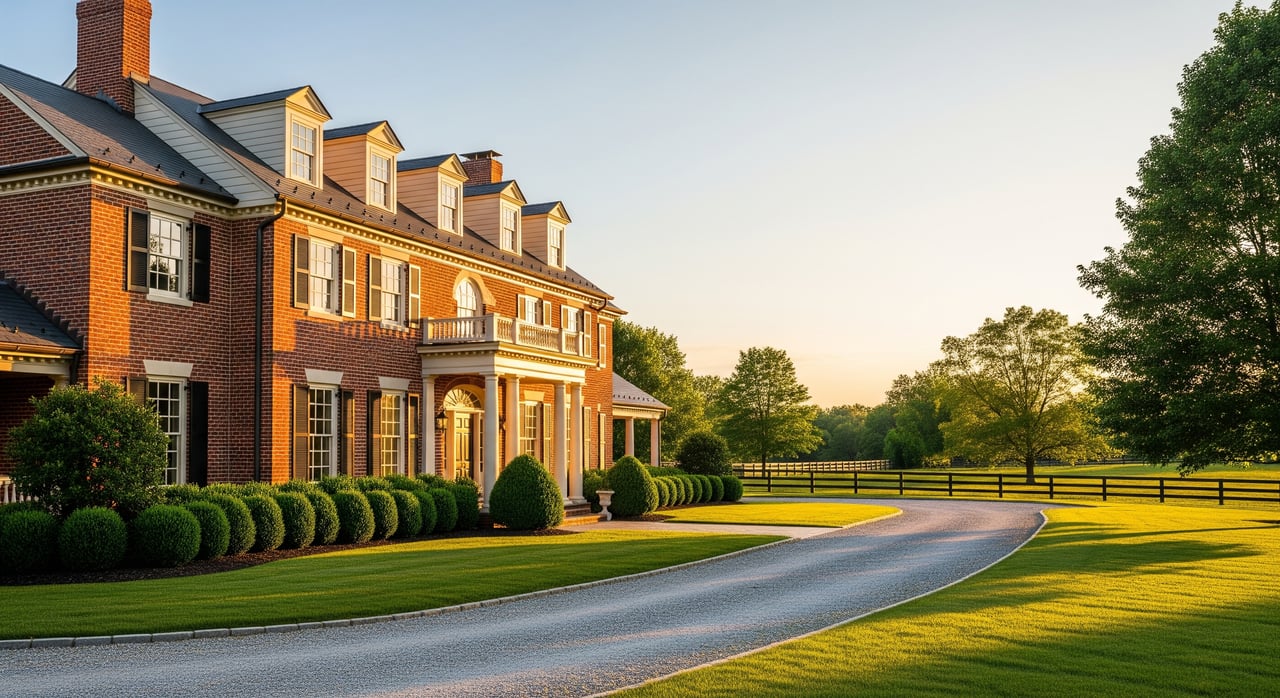
If you want more space and a quieter setting, Simpsonville tends to deliver larger lots and a higher share of single-family homes. Daily life often centers on driving, with convenient access to regional retail and recreational anchors.
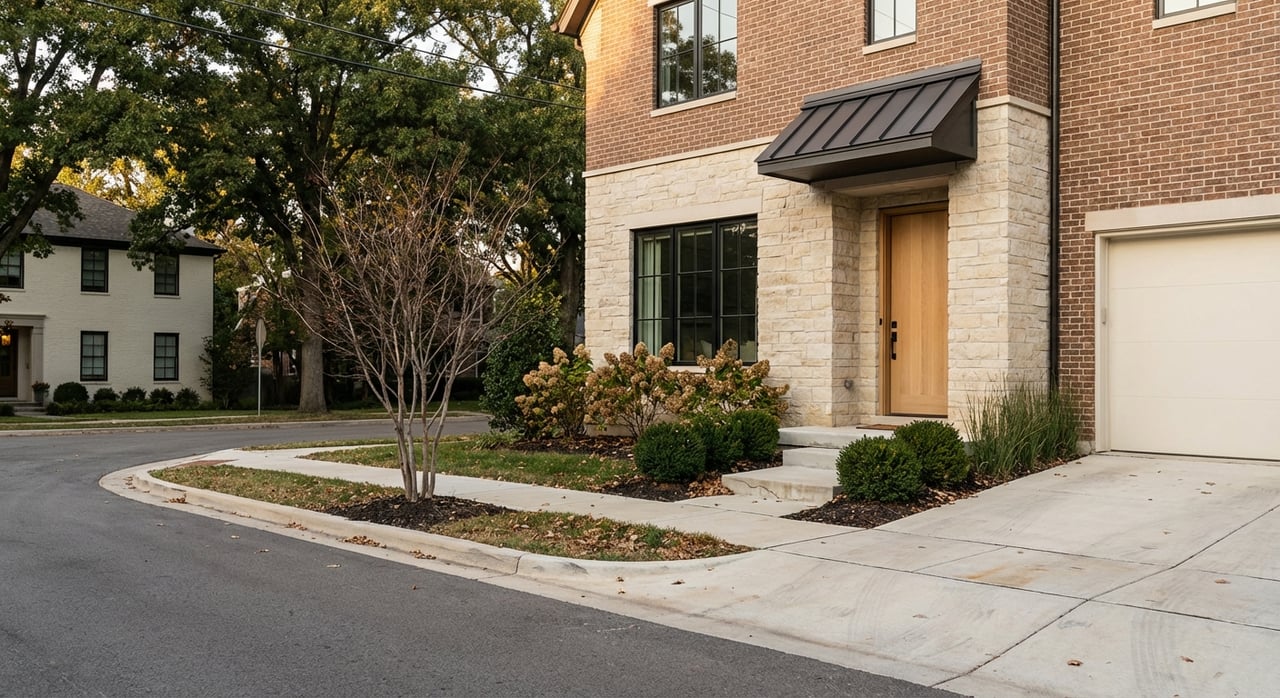
If you want shorter drives to jobs and more walkable errands, many east end Louisville neighborhoods offer a denser mix of homes near shopping and dining. You will see a wider range of housing types and more connected streets for local trips.
Most neighborhoods in Simpsonville lean single-family. Subdivisions and rural parcels are common, and many communities were built over the past 20 to 30 years. You will find ranch and two-story styles, suburban-contemporary designs, and some estate-style lots. Attached homes and large multifamily complexes are limited compared with the metro core.
Louisville’s east end spans several subareas such as St. Matthews, Hurstbourne, Middletown, and Prospect/Anchorage. Closer-in areas tend to be denser, with a mix of single-family homes, townhomes, garden apartments, and some mid-rise multifamily near commercial corridors. Farther east, density tapers, but you still see more variety than in Simpsonville. Older brick ranches and mid-century homes sit on smaller lots in many spots, with ongoing infill and redevelopment.
Simpsonville’s main activity anchors include a regional outlet shopping center and nearby golf facilities. These draw visitors from outside the area and add a retail and recreation focus to local life. The layout is auto oriented, with larger parcels and surface parking. On peak days or sale weekends, traffic near these anchors can increase, which may affect nearby roads for short periods.
For many residents, these anchors provide convenient shopping, a steady calendar of events and sales, and easy access to recreation without driving into the city. Adjacent residential areas sometimes leverage golf views and open space, which can influence neighborhood design and price points.
In Louisville’s east end, you find many smaller commercial clusters and mixed-use centers that support daily errands. Groceries, restaurants, services, and medical offices are spread across several corridors. This pattern supports more frequent local trips and can make quick stops easier. In certain neighborhoods, you will see housing above or beside retail, which adds walkable options and supports shorter drives overall.
Simpsonville is served by Shelby County Public Schools, while Louisville’s east end is served by Jefferson County Public Schools. Assignments depend on specific addresses and district policies. Always verify the current school assignment for a given property before making decisions. Proximity to schools can vary widely by neighborhood and should be reviewed case by case.
In Simpsonville, growth often relies on county-managed infrastructure. On larger or more rural lots, utilities and service extensions can shape what gets built and where. In Louisville’s east end, city infrastructure and zoning enable denser housing types and mixed-use forms in many corridors. Rezoning and redevelopment can introduce new townhomes, small multifamily, or mixed-use buildings near established single-family streets.
Recent growth in Simpsonville emphasizes single-family neighborhoods and estate-style lots. Multifamily construction is more limited, and smaller-town dynamics shape inventory at any given time. In the east end, you see a steadier flow of infill and redevelopment that adds townhomes and apartments near established commercial hubs.
Across the metro, demand drivers include commute times, access to amenities, and home size. As prices shift, some buyers look outward for more space, while others prioritize the shorter commute and amenity access of the east end. For a specific budget or timeline, it helps to compare neighborhoods side by side and review current inventory, days on market, and recent sale prices.
Choose Simpsonville if you value:
Choose Louisville’s east end if you value:
Use these tools and sources to confirm the specifics for the neighborhoods you like:
If you are between Simpsonville and the east end, start with your top priorities. Write down your preferred commute time, the amount of yard you want, and the type of retail access you need most. Then tour three to five neighborhoods that fit your list. Compare floor plans, lot sizes, and travel time during both weekday and weekend peak periods.
A local, high-volume team can quickly surface the right options and help you time the market. Whether you plan to buy, sell, or both, the right guidance simplifies decisions and protects your time. If you would like a custom shortlist and pricing strategy, reach out to The Sokoler Team to get started. Request Your Free Home Valuation.

When you work with The Sokoler Team, you’ll immediately understand why clients think of Bob and his team as dedicated specialists who have mastered the skills needed for evaluating, marketing, and matching buyers and sellers.
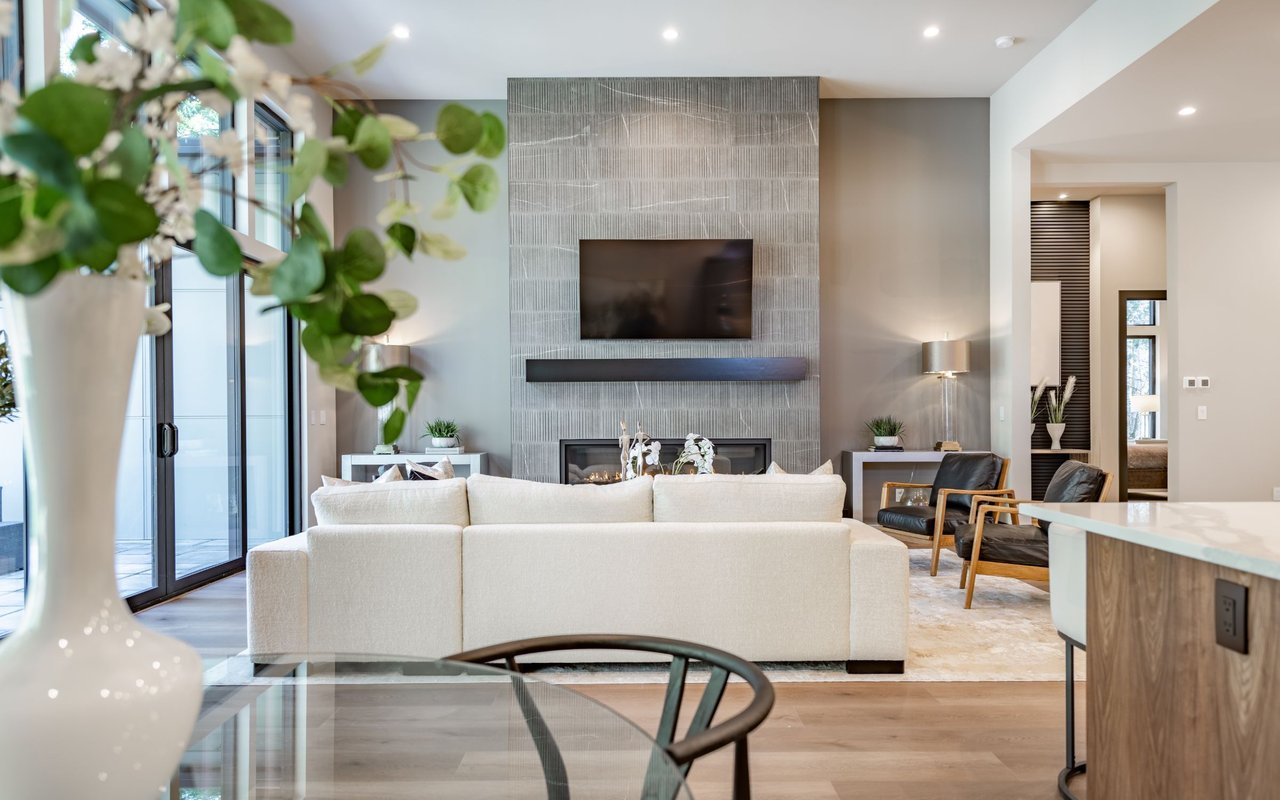
10525 TIMBERWOOD CIR LOUISVILLE KY 40223