Relocating To Prospect: Neighborhood Fit Guide
December 18, 2025
December 18, 2025
Moving to Prospect and not sure which pocket actually fits your lifestyle? Between riverfront estates, acreage, and planned neighborhoods, the options can feel overwhelming. If you want the Oldham County side, a few address-level checks matter even more. This guide gives you a clear way to compare micro-areas, plan your commute, and build a smart shortlist you can tour in a single day. Let’s dive in.
Prospect spans both Oldham and Jefferson counties, and that split affects everyday life. If you’re targeting Oldham County Schools, you must confirm an address sits on the Oldham County side. County lines also influence property taxes, permitting rules, and which utilities serve the home. Because boundaries and attendance zones can change, always verify the county and assigned schools for each property before you fall in love.
Utilities can differ by development. Older or semi-rural parcels may have private wells and septic systems, and broadband speeds can vary by street. If fast internet is a must, confirm provider options for the exact address early in your search.
Prospect offers a mix of riverfront living, acreage, traditional subdivisions, gated communities, and a few small commercial nodes. Each comes with distinct tradeoffs around commute, lot size, maintenance, and rules.
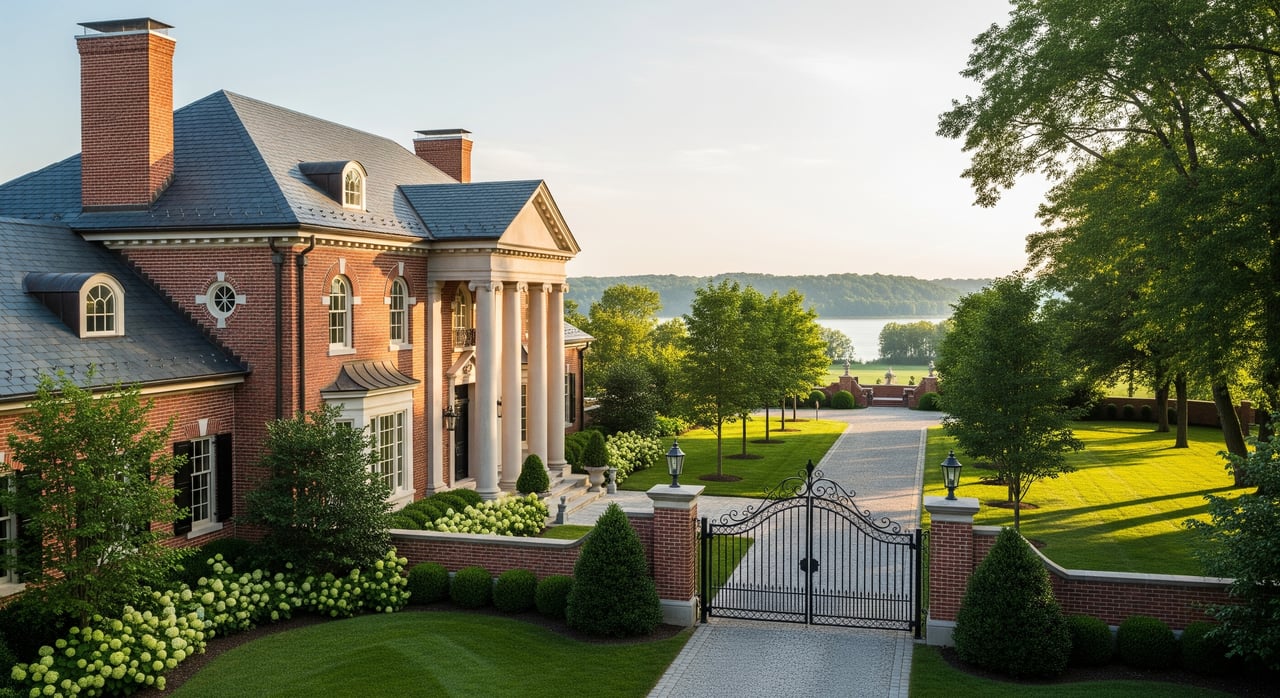
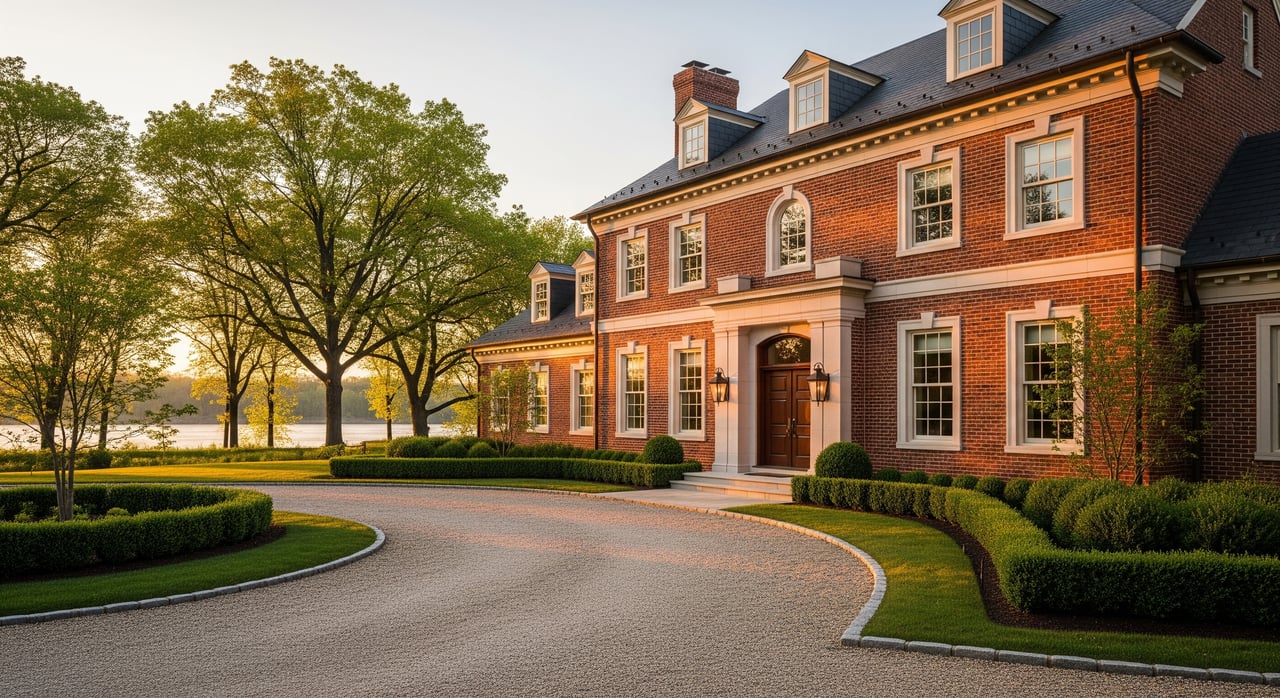
These areas feature larger lots, custom or luxury builds, and quieter streets with limited through traffic. Some homes have direct Ohio River access, while others sit on higher ground with views. If you prioritize prestige, outdoor living, or boating, this category often rises to the top.
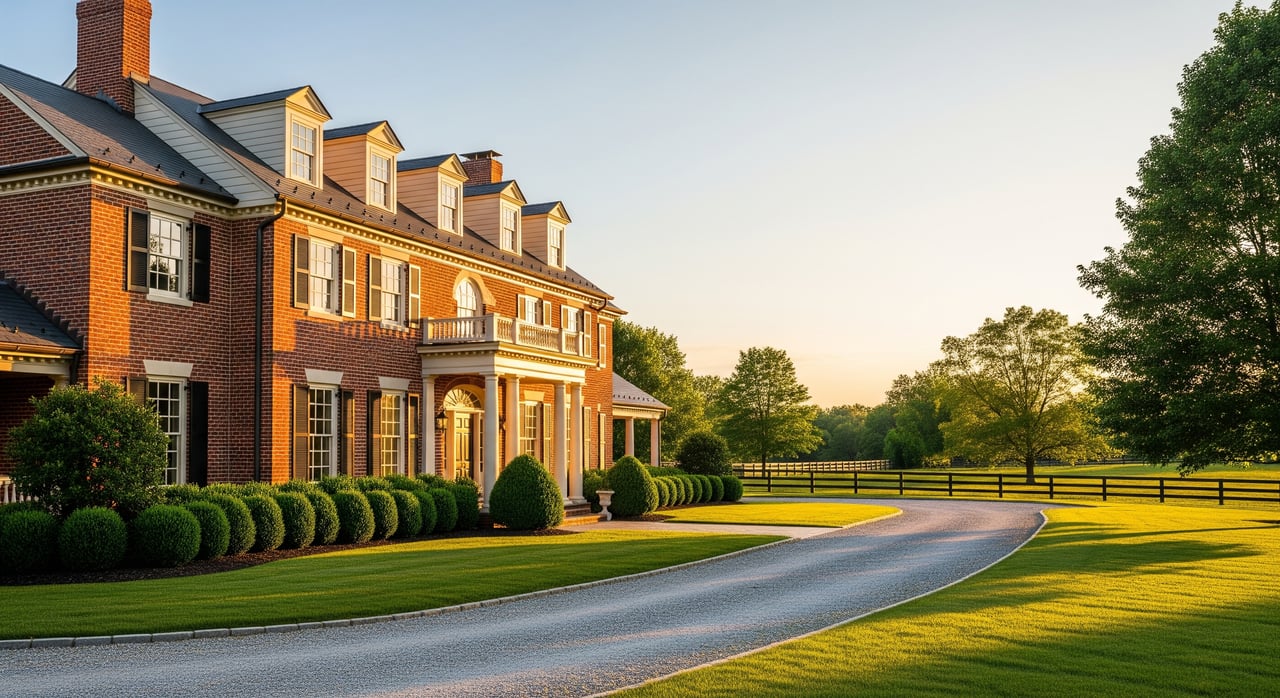
Acreage properties offer space to spread out, add outbuildings, and pursue hobbies if zoning allows. You may find room for horses, gardening, or a workshop. These areas feel quiet and private, and neighbors are typically farther apart.
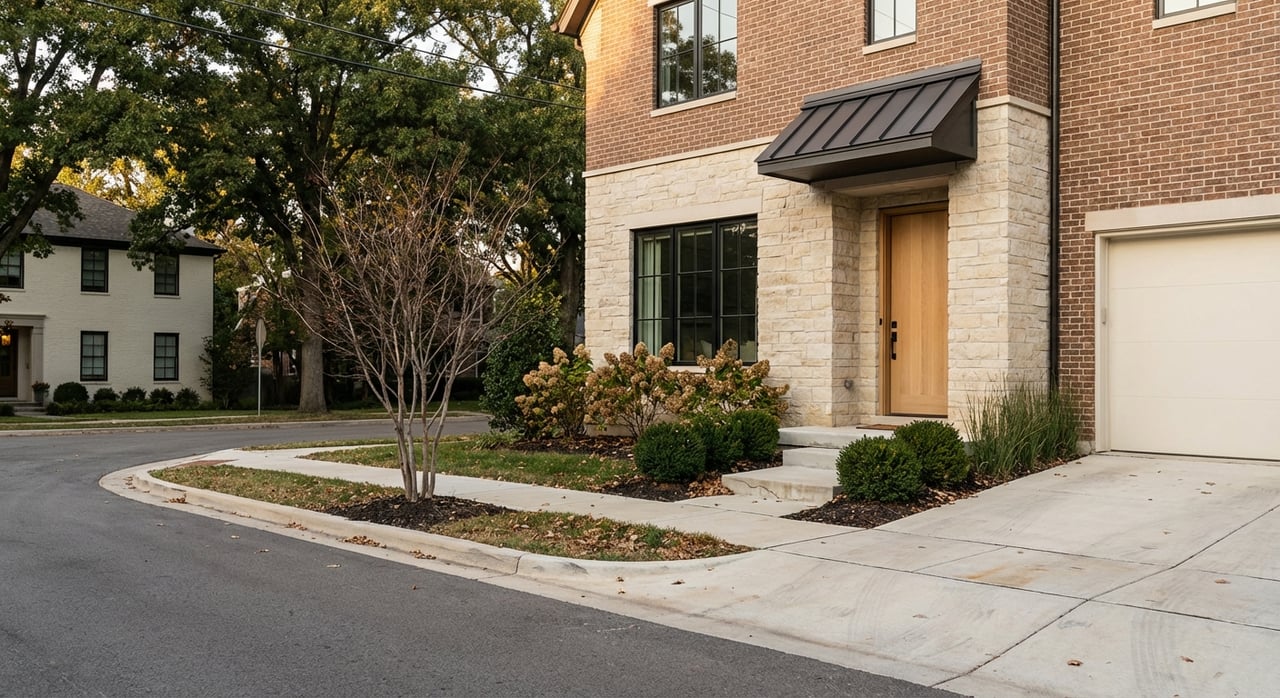
These planned neighborhoods range from established streets to newer builds. Expect curvilinear roads, sidewalks in some communities, and neighborhood green spaces. The overall feel is predictable and easy to maintain.
Some communities offer controlled access, uniform aesthetics, and amenities like a pool, clubhouse, or occasionally golf. These environments appeal to buyers who value a planned lifestyle and a defined community feel.
Prospect has a limited number of pockets with dining, retail, and services. These nodes are typically along main roads or at key intersections. True walkability varies block by block.
Your day-to-day experience often comes down to commute routes, school options, and how quickly you can reach essentials.
Prospect sits within the Louisville metro commuting shed, and drive times depend on your exact location and route. Evaluate your commute during rush hour rather than relying on off-peak estimates. Identify the highways and interchanges you will use and note any choke points. If your schedule allows, consider flexible hours, carpooling, or hybrid work. Public transit options are limited in suburban-edge areas, so confirm what is available for your specific route.
If you want the Oldham County side of Prospect, properties feed into Oldham County Schools. If a home is on the Jefferson County side, it will follow Jefferson County Public Schools. Because boundaries and enrollment rules can shift, verify the assigned elementary, middle, and high schools for the exact address, and ask about bus routes, transfers, and school choice programs. Families often compare public and private options across the broader Louisville area, so plan time to review both.
Most errands are a short drive, not a walk. Map out distances to grocery stores, pharmacies, and primary care. For specialty care or larger shopping trips, you will likely head to major commercial centers around the Louisville metro. If quick access to an emergency department matters, identify the nearest hospital and the fastest routes from your likely neighborhoods.
Outdoor access is a key draw in the Prospect area. Riverfront living, nearby parks, trails, and open land are common priorities for buyers here. If a property markets river access, confirm whether it is private or public and what rules apply. For acreage and equestrian uses, check zoning, permitted activities, and any conservation easements.
Utility and broadband options can vary by street and by development. Semi-rural homes may use wells and septic systems, and trash or recycling providers can differ by county. If you work from home or stream frequently, request written confirmation of internet providers and speeds for each address before you write an offer.
Use a simple, step-by-step process to narrow your search and avoid surprises late in the game.
A focused tour helps you compare lifestyle, commute, and property types in real time.
Bring this quick reference so you do not miss details that matter.
Relocating to Prospect is easier when you verify the details that drive daily life. Confirm county and school assignments for each address, review FEMA flood information for river-influenced areas, and check utilities and broadband before you commit. If you are considering acreage or riverfront, add zoning, well and septic, and access rights to your due diligence list. A structured shortlist and a well-planned tour will help you make a confident decision on the Oldham County side of Prospect.
If you want local, responsive guidance plus a streamlined tour plan, connect with The Sokoler Team. We will help you confirm the right micro-areas, coordinate showings, and move quickly when you find the right fit.


When you work with The Sokoler Team, you’ll immediately understand why clients think of Bob and his team as dedicated specialists who have mastered the skills needed for evaluating, marketing, and matching buyers and sellers.

10525 TIMBERWOOD CIR LOUISVILLE KY 40223