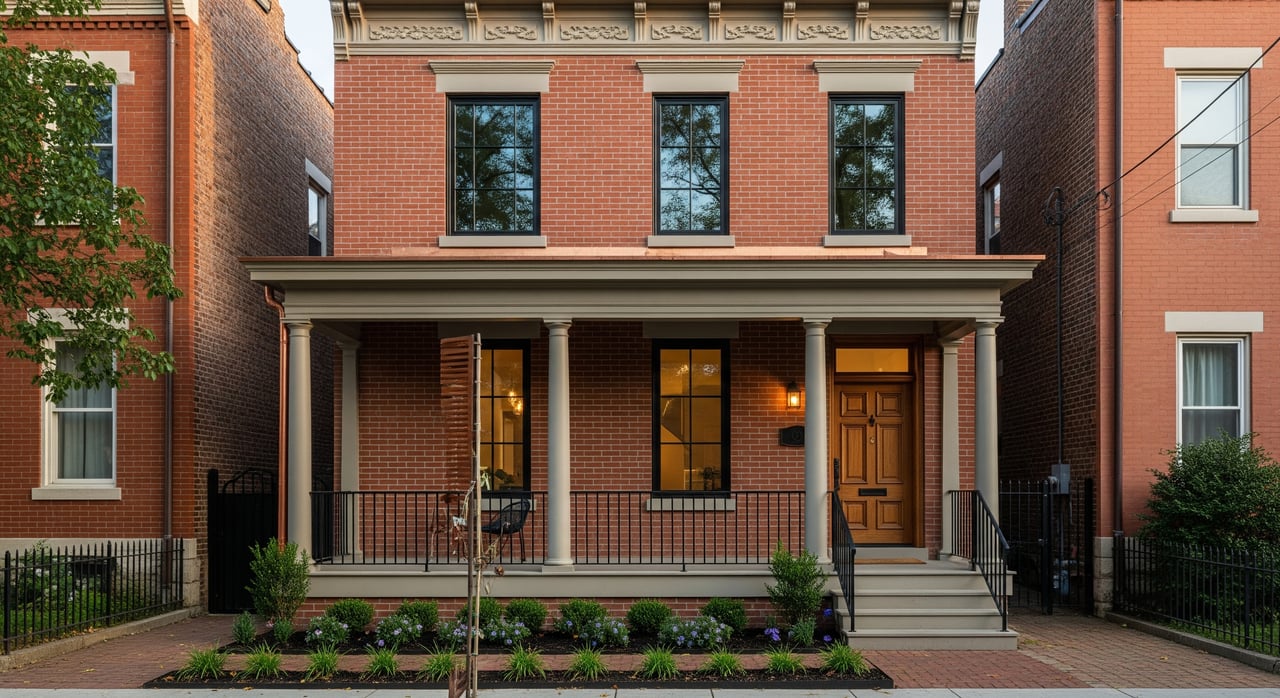
Highlands Home Styles And Renovation Tips
December 4, 2025
December 4, 2025
Considering a home in Louisville’s Original Highlands or planning a renovation on one you already love? You face a unique challenge: keeping the neighborhood’s historic charm while making the home work for modern life. In this guide, you’ll learn how to spot key Highlands home styles, which upgrades buyers value most, and how to plan projects that protect your investment. Let’s dive in.
The Original Highlands is a walkable area with a strong street presence, front porches, and close access to Bardstown Road. Many homes date from the late 1800s to early 1900s and keep original wood trim, hardwood floors, and plaster. Because of age, expect older mechanicals, foundations that need attention, and layouts that can feel smaller or irregular. Buyers here often look for historic character paired with reliable systems and livable kitchens and baths.
Victorian homes in the Highlands, including Queen Anne and Folk Victorian, often show asymmetrical facades, steep roofs, bay windows, and detailed spindlework on porches. Inside, you may find high ceilings, pocket doors, and ornate moldings. Preserve exterior ornament and porches where possible because it supports neighborhood character and buyer appeal. Updates should respect the scale and craftsmanship that define these homes.
Craftsman homes feature low-pitched roofs, wide eaves with exposed rafters, and tapered porch columns. Interiors often include substantial natural wood trim and built-ins. Repairing woodwork and matching finishes to original materials can elevate results. Aim for warm, durable finishes and layouts that keep the defined yet open feel of Craftsman interiors.
Shotgun homes have a one-room-deep, linear layout, often with kitchens at the rear. Lots tend to be narrow with minimal setbacks. To increase light and function, consider rear additions or well-proportioned dormers that leave the front facade unchanged. Thoughtful ventilation and lighting strategies can make these homes feel larger without stripping character.
You will also see American Foursquares, modest worker cottages, and small brick row-houses or duplexes. The most common limitations are smaller kitchens, limited storage, and compact bedrooms. Smart reconfiguration and modest additions can solve scale issues while keeping street rhythm intact.
Start with the roof, foundation, and water management. Repair or replace roofs, stabilize foundations, and address gutters, grading, and drainage. These items protect every other improvement and remove red flags for buyers.
Bring HVAC, electrical, and plumbing up to current standards. Outdated wiring or original heating systems can deter buyers and limit insurance options. Aim for safe, efficient systems that reduce future maintenance.
Combine modern function with period-appropriate details like simple framed cabinets, classic hardware, and trim that suits the home’s era. In compact homes, reconfigure for better flow before you consider an expansion. Durable surfaces and scaled appliances can make a big impact.
Update fixtures, ventilation, lighting, and tile. An improved main bath or the addition of a second bath boosts livability. Keep finishes timeless and scaled to the space.
Refinish hardwood floors, repair moldings, and patch plaster. Fresh paint in thoughtful palettes can highlight existing woodwork. Porch and stair restoration delivers strong visual impact in a walkable neighborhood.
Rear additions, finished basements with proper moisture control, or lawfully converted attics can add value. Keep additions subordinate to the main structure and set back from the street. Respect the original massing to maintain curb appeal.
A welcoming porch, modest landscaping, and functional outdoor spaces matter in a pedestrian-focused setting. Lighting, seating, and simple planting plans can do more than high-cost hardscaping.
Focus on insulation, air sealing, weather-stripping, and efficient HVAC or water heaters. Repairing original wood windows and adding storms often balances efficiency with preservation. Full window replacement should be a last resort and may require review.
Off-street parking is valuable but can trade off against yard space and may need design review. If you add parking, consider discreet rear placement and materials that manage stormwater.
Original wood windows often perform well when repaired and paired with storm windows. This preserves proportions and profiles that define historic homes. If replacement is necessary, match sightlines and grille patterns and confirm review requirements.
Keep scale in mind, especially for shotgun and narrow-lot homes. Use right-sized appliances, add a pantry or utility nook, and avoid oversized islands. Replicate simple trim profiles and classic hardware to tie new work to old.
Rear or secondary additions usually work best. Dormers can help in attics, but you will need to consider structure and compatibility. Maintain a clear visual hierarchy where the original home remains the star from the street.
Older foundations may be stone or brick, so start with water management outside. Confirm headroom, structural condition, and moisture before finishing. Address grading, gutters, and drainage before interior work.
Exterior changes in designated historic districts may require review by the Louisville Metro Landmarks Commission or other design boards. Typical triggers include new construction, demolition, additions that change rooflines, porch replacements, siding changes, and window replacements. Interior work usually does not require preservation review unless it changes the exterior.
For permits, structural work, additions, and major electrical, plumbing, or HVAC upgrades typically require approvals and inspections. Zoning rules for setbacks, lot coverage, and accessory structures will affect additions and parking. Many Highlands homes predate 1978, so plan for possible lead-based paint and asbestos. The EPA’s Renovation, Repair and Painting Rule applies to work that disturbs painted surfaces in pre-1978 homes, and asbestos testing or licensed abatement may be required if suspect materials will be disturbed.
If you are exploring incentives, federal historic rehabilitation tax credits generally apply to income-producing properties. Local or state incentives change over time, so confirm current programs with the Kentucky Heritage Council, Louisville Metro, and the Jefferson County PVA or tax office.
In the Original Highlands, the winning formula is simple: preserve what makes the home special and invest where it improves daily life. Focus first on structure and systems, then kitchens and baths, while keeping original details front and center. If you want help prioritizing projects or pricing the market impact, connect with local experts who work these streets every day.
For guidance tailored to your home or for a strategic plan to prep for sale, reach out to The Sokoler Team. Request Your Free Home Valuation.
Real Estate
Maximize Your Home's Appeal with Interactive Online Experiences
Lifestyle
Streamline Your Move with Our Essential Guide
When you work with The Sokoler Team, you’ll immediately understand why clients think of Bob and his team as dedicated specialists who have mastered the skills needed for evaluating, marketing, and matching buyers and sellers.
10525 TIMBERWOOD CIR LOUISVILLE KY 40223