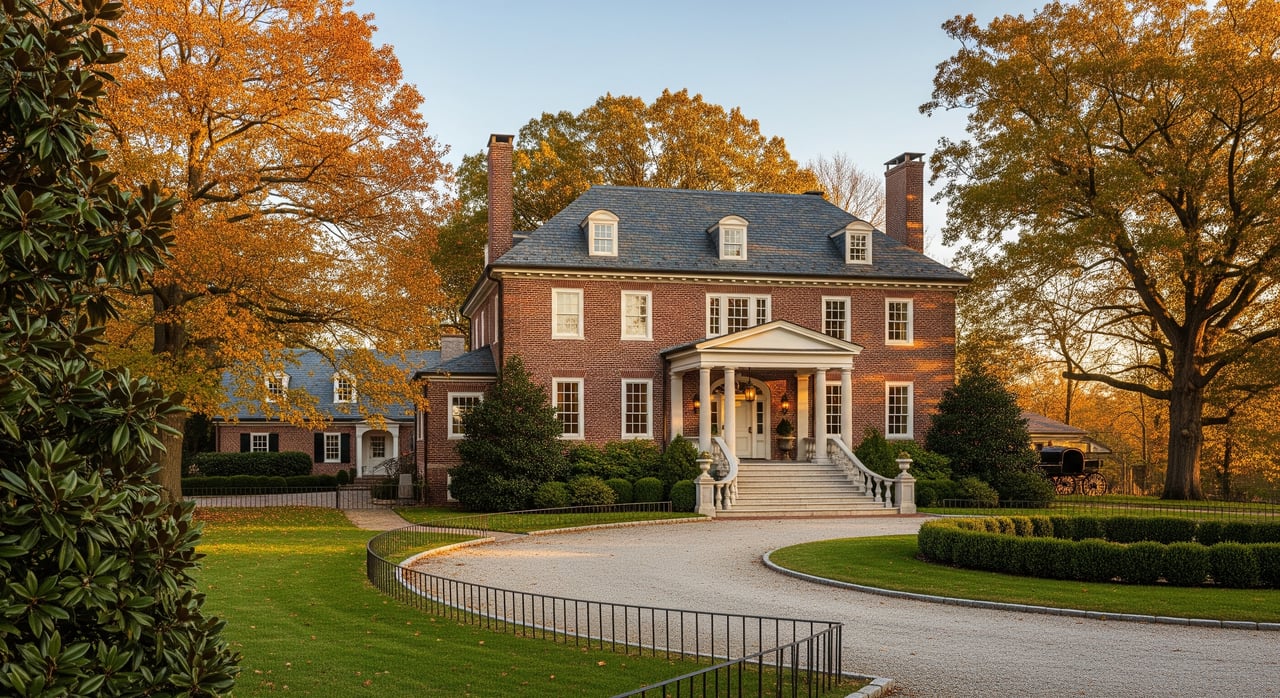
Living In Anchorage KY: Daily Life And Neighborhood Vibes
February 5, 2026
February 5, 2026
Thinking about trading busy corridors for a leafy village where evenings feel calm and porches invite conversation? If so, Anchorage might be on your shortlist. You want a clear picture of daily life before you commit, from streets and schools to commutes and costs. This guide breaks down what it feels like to live in Anchorage, how it compares to nearby suburbs, and what to consider as a buyer. Let’s dive in.
Anchorage is a small, residential village on Louisville’s east side. It reads like a historic suburb with big trees, winding streets, and homes that sit on generous lots. You get privacy and space without losing touch with the city.
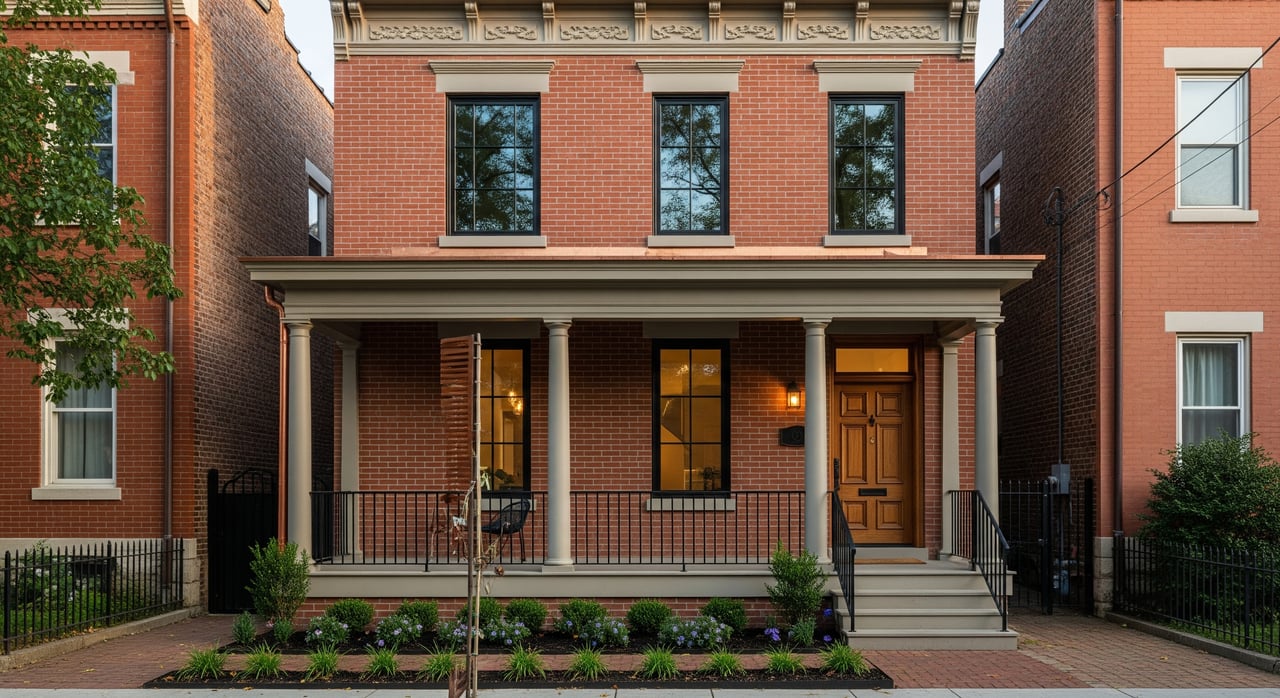
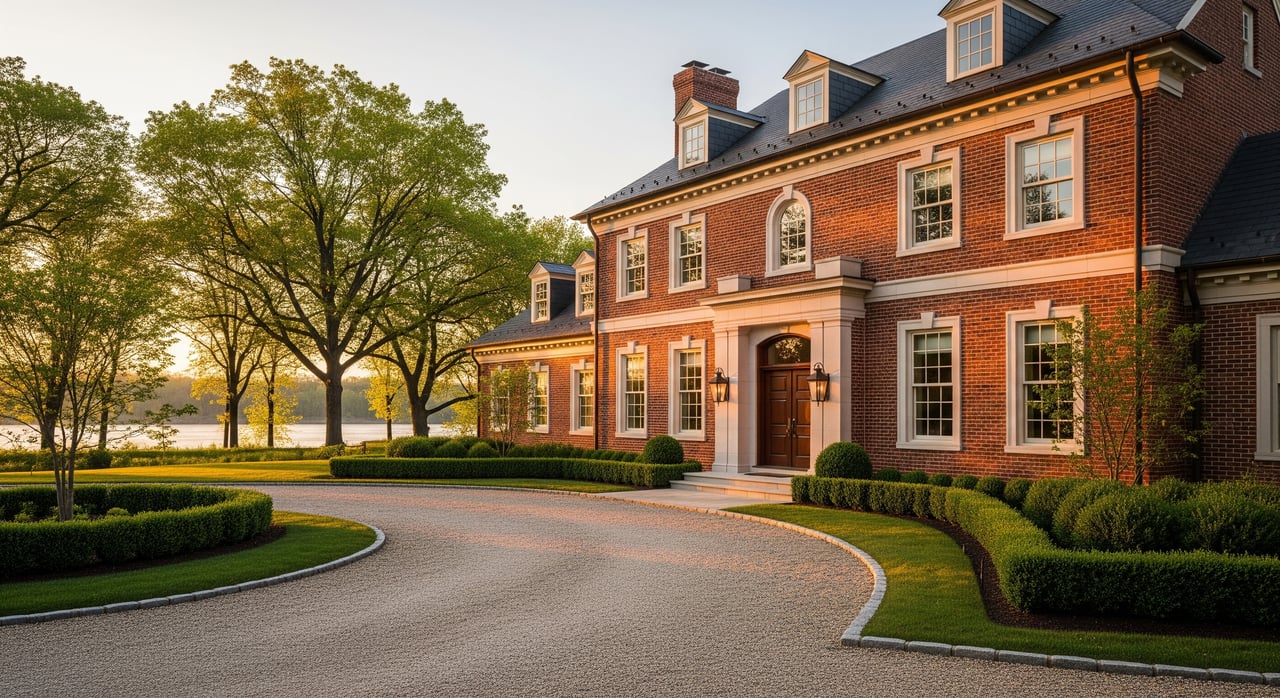
You’ll notice tree‑lined streets and a strong historic look around the village center. Many homes date to the late 19th and early 20th centuries, with styles like Victorian, Colonial Revival, Tudor, and Craftsman. Newer or renovated properties often sit on similarly large parcels, so the overall feel stays consistent.
Sidewalk coverage varies. Some lanes are easy for a stroll, while others feel more car‑oriented because of longer driveways and larger setbacks. The result is a peaceful, low‑density vibe that feels country close to the city.
The greenery is one of Anchorage’s biggest draws. Canopy cover and sizable yards mean you spend a lot of time outside right at home. You’ll see plenty of dog‑walking, yard games, and porch hangouts on nice days. For larger playgrounds or multi‑use trails, residents typically drive a short distance to east‑end parks and trail systems in the Louisville area.
Anchorage offers limited retail and services within its borders. Expect a handful of local businesses clustered along major roads rather than a full main‑street strip. Most residents drive to nearby hubs for broader options. St. Matthews, Middletown, and other east‑end shopping districts cover grocery runs, restaurants, and errands.
Evenings in Anchorage are quiet. If you like a calm neighborhood at night, you’ll appreciate the pace. If you want a range of dining choices or nightlife, plan on a short car ride.
Anchorage is associated with a small, local school system that serves elementary and middle grades. Many families view the small‑school environment as a plus. High‑school assignments for Anchorage students are set by district policies and can involve a Jefferson County high school. For current enrollment, boundaries, and performance details, check official sources like the Kentucky Department of Education’s district resources and your local district pages. You can start with the Kentucky Department of Education’s site for current information and links to district contacts.
Anchorage attracts buyers looking for distinctive homes, privacy, and a strong sense of place. Before you decide, consider how transportation, safety, and market factors fit your lifestyle.
Anchorage is car‑oriented. Most residents commute by car to downtown Louisville or east‑end job centers. Drive times feel moderate depending on your destination and traffic. Public transit options are more limited than in denser parts of the city. If you plan to rely on a bus, review the Transit Authority of River City routes and schedules.
Anchorage is widely regarded as a low‑crime community relative to many urban neighborhoods. Always review current data for peace of mind and planning. Louisville Metro Police Department publishes public safety information and crime mapping tools so you can verify trends.
As a small city within Jefferson County, Anchorage provides local governance and coordinates public services with regional agencies. If you are planning a remodel or landscaping project, it is smart to confirm permitting and service details with the appropriate municipal and county offices.
Home values in Anchorage typically sit at the higher end of the Louisville market. The combination of large lots, historic character, and limited commercial development supports premium pricing. Inventory and days on market can shift with the season, so you should use current MLS data and county valuation records when you are actively shopping.
For an overview of population and household trends that often inform demand, consult the U.S. Census Bureau’s QuickFacts and ACS data.
Anchorage includes a designated historic district known for period architecture. If you are drawn to a historic property, ask about exterior change guidelines and any design review process before you plan updates. Preservation policies protect the neighborhood’s visual character and can shape timelines for renovations.
Rules for accessory buildings, fences, and setbacks vary by lot and location. Check with local building and zoning offices so your plans align with current ordinances.
When you are choosing among east‑end communities, the differences can be subtle but meaningful. Here is a quick way to frame the options.
Prospect covers a larger area, with river‑adjacent estates and newer luxury subdivisions in some sections. Both places are affluent and low density. Anchorage stands out for its village scale and historic core, while Prospect offers a wider geography and, in some pockets, an even more suburban or rural edge.
Glenview and Glenview Hills are also historic and tree‑lined. They sit closer to the Ohio River and have a distinct estate feel. Anchorage reads more like a self‑contained village with its own small civic center and a tight historic district pattern. Your choice often comes down to preferred lot patterns and proximity to specific east‑end amenities.
Indian Hills and other east‑end suburbs vary widely. Some areas feature newer construction and more commercial corridors. Anchorage’s appeal is its dense tree canopy, larger lots, and the visual cohesion of its historic streets. If you want a quiet village feel and limited in‑neighborhood retail, Anchorage fits well. If you prefer a more contemporary subdivision closer to daily shopping, the alternatives may suit you better.
Anchorage tends to attract buyers who value space, privacy, and architecture with character. You might be an established professional ready for a long‑term home, a household that wants large yards and a strong neighborhood identity, or a buyer who enjoys the quiet and is comfortable with driving for most errands. If you love historic homes and porches under a mature canopy, you will likely feel at home here.
Use this short checklist to test how well Anchorage matches your routine and goals.
Anchorage delivers a calm, village‑scale lifestyle with striking architecture and space to spread out. You trade a short drive for errands in exchange for tree‑lined privacy and a neighborhood that values its historic character. If that balance fits your vision, Anchorage deserves a closer look.
When you are ready to see homes, compare neighborhoods, or validate pricing with today’s data, connect with a local team that works across Anchorage and the east end every day. Reach out to The Sokoler Team to schedule a consultation or request your free home valuation.

Real Estate
Maximize Your Home's Appeal with Interactive Online Experiences
When you work with The Sokoler Team, you’ll immediately understand why clients think of Bob and his team as dedicated specialists who have mastered the skills needed for evaluating, marketing, and matching buyers and sellers.
10525 TIMBERWOOD CIR LOUISVILLE KY 40223